Singapore’s roads are some of the safest in Asia, but that doesn’t mean we can relax. With more commercial vehicles on the road every year—delivery vans, buses, ride-hailing cars—fleet safety is more important than ever. One of the most effective ways to improve road safety is through proper fleet speed management.
In fact, one key solution for improving safety is implementing fleet speed control Singapore, which helps fleet operators monitor and regulate vehicle speeds in real-time. This proactive approach is already making a difference for many companies—and for everyone who shares the road with them.
What Is Fleet Speed Management?
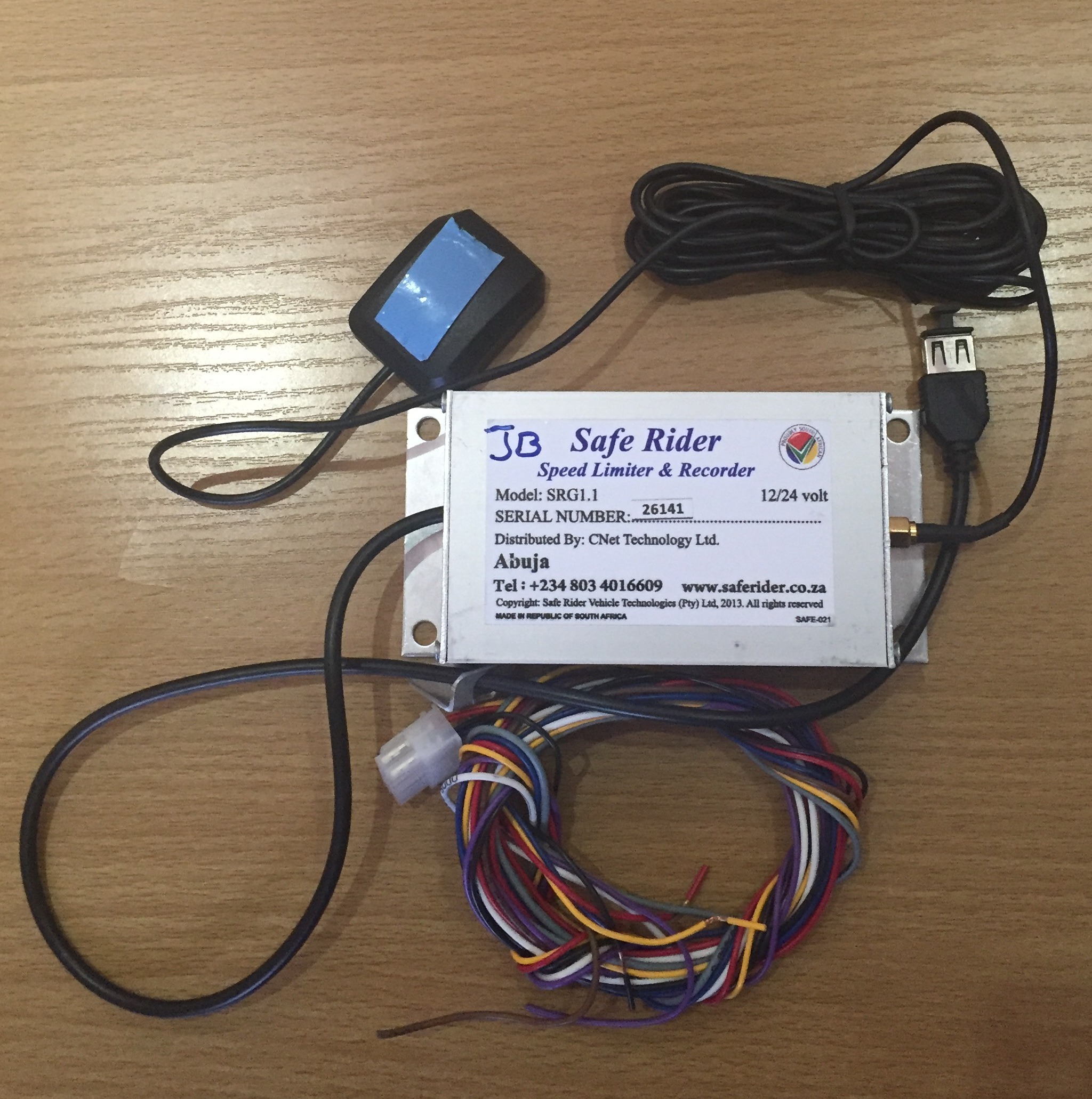
Fleet speed management is a system that monitors how fast vehicles are moving and helps control those speeds. It’s not just about tracking; it’s about managing behavior on the road. These systems combine GPS tracking, telematics, and software dashboards to give fleet managers real-time insights into their drivers’ habits.
It allows businesses to set speed limits for different areas, track overspeeding events, and even send alerts when a driver exceeds those limits. Some systems can even adjust engine performance to slow down vehicles automatically. The goal isn’t punishment—it’s prevention.
Singapore’s Road Safety Challenges
Singapore has strict road safety rules, but with so many vehicles on the road—especially commercial ones—accidents still happen. The dense urban environment, frequent construction zones, and tight delivery deadlines often push drivers to take risks.
Fleet vehicles, especially those used for logistics, ride-sharing, or public transport, contribute significantly to traffic flow. But when they’re not managed properly, they also contribute to accidents. According to reports, fatigue and speeding are common causes behind fleet-related crashes.
That’s where speed management becomes essential. It acts like a digital co-driver, helping enforce discipline without needing someone to be in the passenger seat.
How Fleet Speed Management Enhances Safety
Speed management systems improve safety in several smart ways:
- Real-time alerts: Managers are notified instantly if a driver exceeds the speed limit. This encourages drivers to be more mindful of their behavior.
- Custom speed zones: You can create geofences—virtual boundaries where specific speed rules apply, such as school zones or construction areas.
- Behavior analytics: Over time, managers can spot patterns like frequent speeding or aggressive driving and take corrective steps.
- Driver accountability: When drivers know they’re being monitored, they’re more likely to drive responsibly.
These features not only reduce the risk of accidents but also improve the overall driving culture within a company.
Benefits for Fleet Operators and the Public
Speed management doesn’t just protect drivers—it benefits everyone. Here’s how:
- Fewer accidents: Safer speeds mean less chance of crashes, injuries, or damage.
- Lower fuel costs: Driving at moderate speeds improves fuel efficiency.
- Less wear and tear: Vehicles last longer when they’re not pushed to the limit.
- Better reputation: Companies that prioritize safety are more trusted by the public and clients.
- Regulatory compliance: Singapore’s transport authorities are increasingly focused on enforcing fleet safety standards.
It’s a win-win: safer roads for the public and smoother operations for businesses.
Technology Behind Fleet Speed Management
Today’s systems are powered by smart technologies that work quietly in the background:
- GPS and telematics: These provide real-time location and speed data.
- OBD integrations: On-Board Diagnostics tools track vehicle health and performance.
- AI-driven dashboards: These analyze driver behavior and create risk profiles.
- Cloud-based control panels: Managers can log in from anywhere to view reports, set limits, and respond to alerts.
This technology is no longer expensive or complicated. Many platforms offer scalable solutions that suit both small and large fleets.
Key Features to Look for in a Fleet Speed Management System
When choosing a system for your fleet, make sure it includes:
- Speed alert configurations
- Geofencing for high-risk zones
- Detailed driver behavior reports
- Mobile access for managers on the go
- Integration with fuel and maintenance data
The right tools don’t just improve safety—they give you a full picture of your fleet’s health and efficiency.
Best Practices for Implementing Fleet Speed Control in SG
To make the most of your system, follow these best practices:
- Educate your drivers: Don’t just install the system—explain why it matters.
- Set realistic speed limits: Use data to find the right balance between efficiency and safety.
- Review data weekly: Spot trends early and reward safe driving.
- Work with trusted vendors: Choose providers with a local presence and good support.
Remember, it’s not just about technology—it’s about culture.
Future of Fleet Safety in Singapore
The future is promising. As Singapore moves towards becoming a smart nation, fleet safety is evolving too:
- AI and machine learning: These will predict risky behavior before it happens.
- Government partnerships: Expect more road safety incentives and regulations.
- Autonomous fleet trials: Self-driving delivery vans will rely heavily on strict speed controls.
- Eco-driving integration: Speed management will be tied to green driving goals.
By staying ahead of the curve, companies can make sure they’re not only compliant but also future-ready.
Conclusion: A Safer Future Starts with Speed Awareness
Fleet speed management is more than a tool—it’s a mindset. By making speed control a priority, we protect our drivers, passengers, and pedestrians. And in a fast-paced city like Singapore, that makes all the difference.
Now’s the time to adopt smart speed management systems and take the lead in making our roads safer—for everyone.